
mESC-IS – INESS – IRN FACES
– Burak Aktekin
– Fermin Cuevas
– Rezan Demir-Cakan
– Oleg Drozhzhin
– Duncan Paul Fagg
– Stanislav Fedotov
– Selmiye Alkan Gürsel
– Hasan Gocmez
– Begum Yarar Kaplan
.
– Gülfeza Kardas
– Almagul Mentbayeva
– Aliya Mukanova
– Maksym Myronov
– Sergey Levchenko
– Mykhaylo Lototskyy
– Dag Noreus
– Arailym Nurpeissova
– Alexander Opitz
– Cengiz Ozkan
.
– Mihri Ozkan
– Saim Ozkar
-Damla Eroğlu Pala
-Bora Timurkutluk
– Burak Ulgut
– Fu Ming Wang
– Rachid Yazami
-Ramazan Yıldırım
.
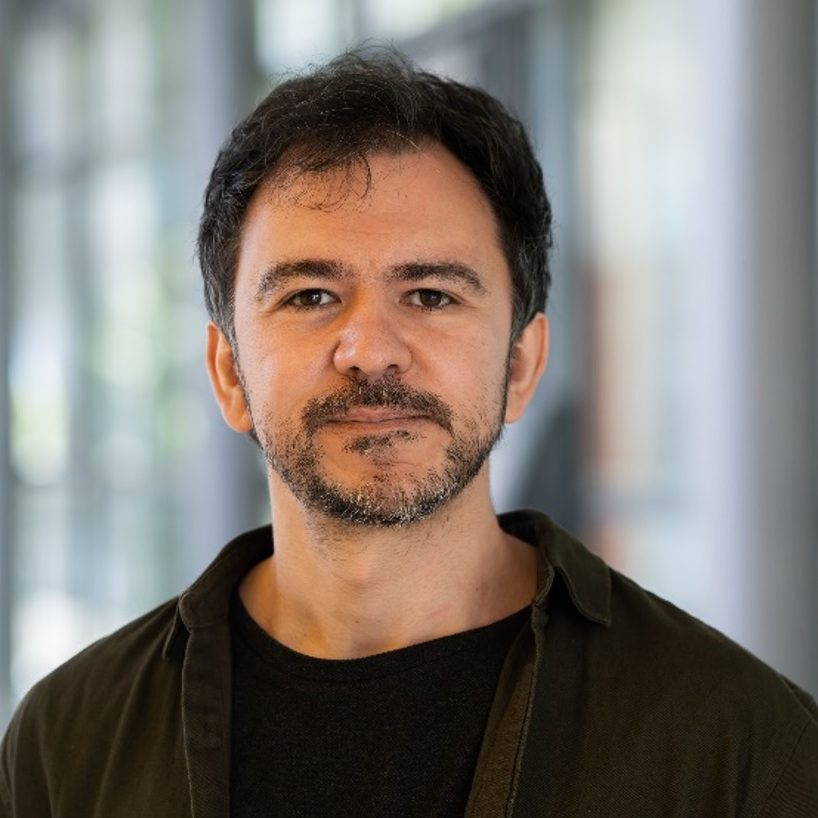
Dr. Burak Aktekin
Justus Liebig University Giessen
Burak Aktekin received his B.Sc(2010) and M.Sc (2013) in Metallurgical and Materials Engineering Department in Middle East Technical University. He then joined Uppsala University where he worked on the high voltage spinel positive electrodes for LiBs. His research activities covered (post)synthesis modifications of cathode materials, electrode and cell preparation in different formats, as well as a study of liquid (and polymer) electrolytes. Having obtained his PhD in 2019 and following a brief postdoctoral period at Uppsala University, Dr. Aktekin joined J. Janeks’s research group at the Institute of Physical Chemistry, Justus Liebig University Giessen where he is working on Interfaces in solid-state batteries Dr. Aktekin has experience in a wide range of analytical tools within the context of battery research including synchrotron/neutron diffraction to perform in situ and operando experiments.

Dr. Fermin Cuevas
Univ Paris Est Creteil, CNRS, ICMPE
“Reversibility of solid-gas and electochemical hydrogenation of Ti-based AB-type
alloys studied by in-situ neutron diffraction”
Fermin Cuevas obtained his PhD (1996) in Physics at UAM University of Madrid. After postdoctoral studies at MPI-Stuttgart and CNRS-Thiais. Currently Fermin CUEVAS is senior CNRS researcher at the East-Paris Institute of Chemistry and Materials (France).His main research activities are focused on intermetallics, composites and complex hydrides for solid state hydrogen storage as well as their functional properties as electrode and electrolyte materials for Ni-MH and Li-ion batteries. He is currently head of the Interaction of Hydrogen and Matter group at ICMPE, co-head of the Storage axis at the French Research Network on Hydrogen Energy, and co-director of the French-Australian International Research Network on Conversion and Energy Storage IRN-FACES
C

Professor Rezan Demir-Cakan
Gebze Technical University
“Development of Room Temperature Na-S and Na-Se Batteries: What Lessons Learned from Li-S Chemistry?”
Rezan Demir-Cakan completed her bachelor and master degree from Yildiz Technical University at the Chemical Engineering Department. She received her Ph.D. degree at the Max Planck Institute of Colloids and Interfaces , in Germany (2009), under the supervison of Markus Antonietti working on the synthesis, characterization and applications of hydrothermal carbon materials. Then she moved to France, the group of Jean-Marie-Tarascon, focusing on the rechargeable lithium batteries, more specifically on lithium-sulphur batteries between 2009-2012. Currently she has been working as an Associate Professor at the Chemical Engineering Department of Gebze Technical University. Her research interests include the synthesis of nanostructured energy materials and their application in the field of Li/Na batteries. (mESC-IS)
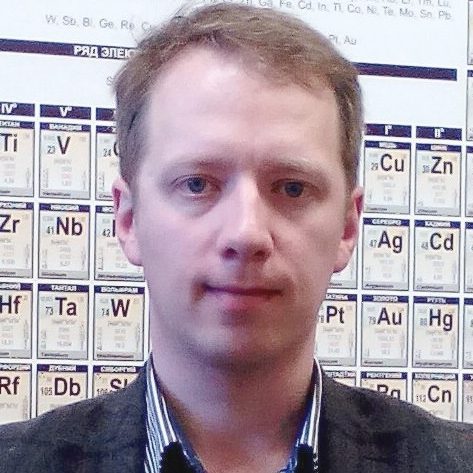
Dr. Oleg Drozhnhin
Lomonosov Moscow State University
“Phosphate cathode materials for lithium-ion batteries: on the way from LiFePO4 to LiMnPO4“
Dr. Oleg Drozhzhin is the head of the Materials for Electrochemical Processes lab at the Faculty of Chemistry of Moscow State University. He graduated from the Material Sciences Department of Lomonosov Moscow State University (2006). His diploma research was devoted to the synthesis and study of the novel complex cobalt oxides with perovskite-like structure. During his post-graduate work at IPCP-RAS), Oleg Drozhzhin proposed, synthesized and studied several novel cathode materials for solid oxide fuel cells, including the fabrication and electrochemical testing of the SOFC. After obtaining his Ph.D. in Physical Chemistry and Inorganic Chemistry (2009), Dr. Drozhzhin focused on studying the materials for (Li, Na)-ion batteries. At the moment, he and his group performs the whole range of research and development in the field of electrochemical material science – from synthesis of different families of the cathode and anode materials to developing the original electrochemical cells for combined study of the electrochemical properties and structural transformation of the materials during electrochemical treatment. Material synthesis techniques developed by Dr. Oleg Drozhzhin and his group are now being scaled up in companies by scientists from Moscow State University and Skoltech.(INESS & mESC-IS)

Professor Duncan Paul Fagg
Aveiro University
“Transition metal nitrides in ammonia production: Challenges and Possible Solutions“
Dr. Duncan Fagg is currently employed as a Principal Researcher in the nanotechnology research division (NRD) in the University of Aveiro, Portugal. He obtained his B.SC in Chemstry and Materials science Nottingham University 1992 and Ph.D. in Chemistry Aberdeen University 1997. He has over 20 years of research experience with previous placements in CICECO Aveiro, Portugal, ICV Autonomous University Madrid, Spain, Dept.Chemical Engineering, Patras Greece, School of Chemistry, St-Andrews University Scotland, and Risø DTU National Laboratory for Sustainable Energy, Roskilde Denmark. He is the author of over 100 international scientific publications in areas covering Solid Oxide Fuel Cells (SOFC), Solid Oxide Electrolyser Cells (SOEC), Oxygen separation membranes, Hydrogen separation membranes, Hydrogen Storage. (mESC-IS)
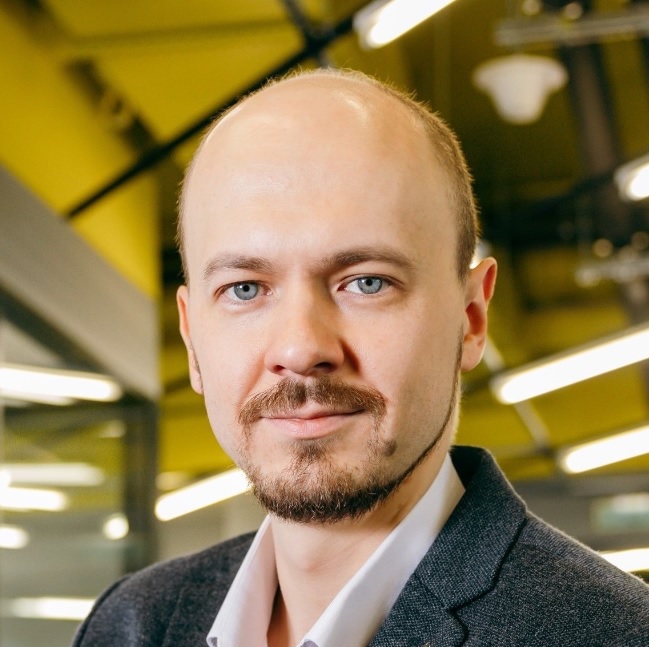
Dr. Stanislav Fedotov
Skolkovo Institute of Science and Technology
“Novel vanadium-based phosphates as sodium-ion battery positive electrodes“
Stanislav Fedotov, a lecturer at Skolkovo Institute of Science and Technology, is a key investigator in more than 20 projects totalling over over 350 mln. rub since 2011. His group focuses mostly on design, synthesis and analysis of new prospective materials for energy storage and conversion, including electrode materials and electrolytes for rechargeable metal-ion batteries. He obtained his PhD in Chemistry from MSU and had internships at MIT, and Haldor-Topsoe A/S before joining Scoltech. He received more than 15 research awards and distinctions, including Ludo Frevel ICDD award.

Professor Selmiye Alkan Gürsel
Sabancı University
“Materials for Fuel Cells and Electrolysis Technologies: Challenges and Perspectives”
Selmiye Alkan Gürsel received BSc, MSc and PhD degrees from the Middle East Technical University Department of Chemistry and, as part of her doctoral studies, she carried out research on electrochromic polymers at the University of Florida (USA). She conducted post-doctoral studies on fuel cells in the General Energy Department of Paul Scherrer Institute. She has been working as a faculty member in the Materials Science and Nano Engineering Program at Sabanci University since 2008. She is directing and participating various international and national projects on fuel cells, polymer membranes, graphene, lithium-ion batteries, lithium -air batteries, electrolyzers. She participated in Graphene Flagship Project, in FP7 (Graphene-Driven Revolutions in ICT and Beyond) and Horizon 2020 (Graphene- Based Disruptive Technologies) phases as the primary investigator, scientific representative of the work package on fuel cells and national contact point from Turkey. She was awarded by L’Oreal Young Woman in Science Scholarship 2010, METU Prof. Dr. Mustafa N. PARLAR Research Incentive Award 2012, Science Academy -Young Academics Prize Scholarships (BAGEP) 2013. She received “Academic Prize” in the inaugural Women Energizing Turkey Awards endowed by the Turkish Ministry of Energy and Natural Resources in 2018. She is currently Vice-Dean of Research at Sabanci University Faculty of Engineering & Natural Sciences. (mESC-IS)

Professor Hasan Gocmez
Kütahya Dumlupinar University
“Nanocrystalline calcium hexaboride powders as a supercapacitor anode component“
Prof. Hasan Gocmez received his BSc degree from Middle East Technical University, in 1994, and his MSc and Ph.D. degrees from the Rutgers University-New Jersey, in 1997 and 2001, respectively. He recieved Japan Society award for Promotion of Science in 2006 to do research at Yamaguchi University. He was a visiting scientist at AIST, Stockholm University, Stevens Institute of Technology, and KTH. He is currently a Professor in the Department of Metallurgical and Materials Engineering at Kutahya Dumlupinar University. His research focuses on ceramic processing, nanomaterials and energy storage systems such as solar cells and lithium based batteries. He coordinated 12 national and 3 international projects supported by EU-FP6, the Japanese Society of the promotional science (JSPS), TUBİTAK, BOREN, etc. He received the Japan Society for Promotion of Science fellowship (Japan), RoMat Excellence Award (Romania), SME productivity encouragement award by the Ministry of Science, Industry and Technology. Prof. Gocmez has been the founder and CEO of Piltek Energy System Co. in Ankara since 2016. Piltek is an SME focusing on battery technologies, especially lithium and solid-state batteries.

Professor Gülfeza Kardaş
Cukurova University
“Alkaline electrolyser for green hydrogen production: the nickel-based catalyst and separator“
Gulfeza Kardas is a professor of chemistry at Cukurova University. She obtained her PhD (1999) in Chemistry Department from the same university. She has been a member of staff since then. She was a visiting scientist in Materials Science Department, Southern California University (2005) and Chemistry Department, Illinois University Urbana-Champaign (2011) . She published more than 60 papers on corrosion, electrodeposition, electrochemical hydrogen production, fuel cells and batteries. Her main interest is the characterization of materials in electrochemical systems. She is a member of the International Society of Electrochemistry.(mESC-IS)

Dr. Almagul Mentbayeva
Nazarbayev University
“One-step fabrication of all-in-one flexible nanofibrous lithium-ion battery“
Dr. Almagul Mentbayeva, PhD in chemical engineering (Al-Farabi Kazakh National University), is with the Department of Chemical and Materials Engineering, Nazarbayev University . Dr. Mentbayeva’s areas of professional expertise include lithium-ion batteries, polymer synthesis, polymer electrolytes, electrospun polymer films and membranes and MOS-based gas sensors. She is a winner of an award “Science Leader” by the Thomson Reuters and has more than 50 research papers.

Dr. Aliya Mukanova
Nazarbayev University
“Towards Lithium-Sulfur Microbatteries: Challenges and Recent Progress“
Dr. Aliya Mukanova is a lead researcher at PI National Laboratory Astana, Nazarbayev University and Institute of Batteries . Dr. Mukonova work on energy storage covers a range of topics including Li-ion and Na-ion batteries. Her main focus is on thin films for microbatteries. Dr. Mukanova is a winner of several local and international awards, among which two “Leader of Science” awards (Clarivate) for the highly-cited articles.
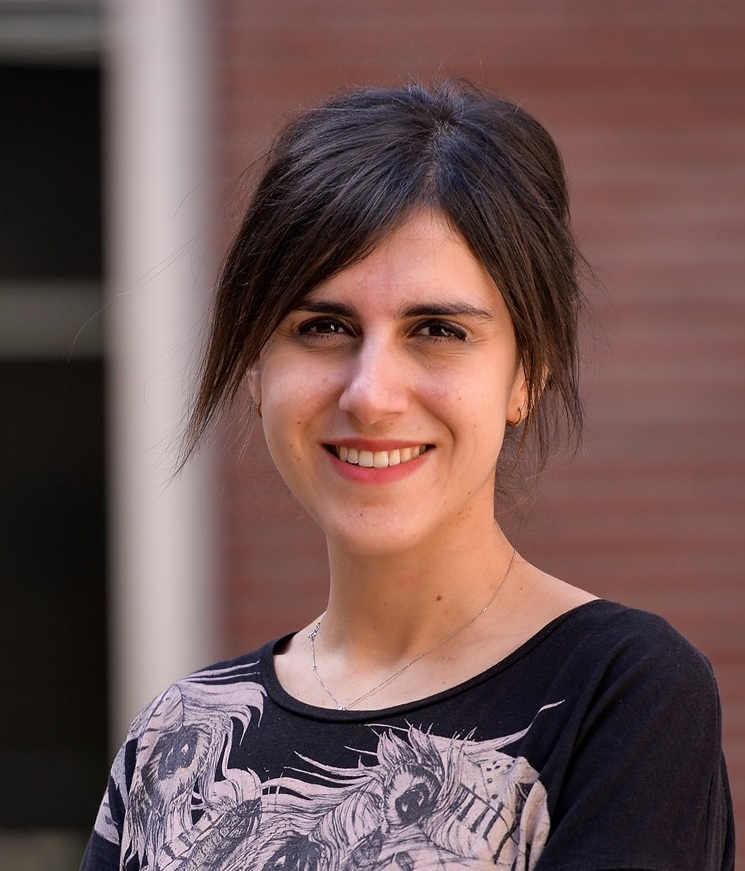
Dr. Begüm Yarar Kaplan
Sabancı University(SUNUM)
“ Operando Monitoring and Insights for Hydrogen Production via Electrolysis“
Begüm Yarar Kaplan received BSc and MSc degrees from Hacettepe University, Department of Chemistry and Ph.D at Sabancı University, Department of Materials Science and Engineering. As part of her doctoral studies, she carried out research on electrospun electrodes for fuel cells at Vanderbilt University (USA) . She conducted post-doctoral studies on graphene-based catalysts for fuel cells with contributing to the EU-supported Graphene Flagship Project in FP7 (Graphene-Driven Revolutions in ICT and Beyond) and Horizon 2020 (Graphene-Based Disruptive Technologies) between 2017-2018. Since 2018, she has been working at Sabanci University Nanotechnology Research and Application Center (SUNUM) as a researcher. She has been involved various national and international projects as a principle investigator and researcher regarding hydrogen technologies, especially in the field of the development of polymer electrolyte membrane (PEM) fuel cells and anion exchange membrane (AEM) fuel cells, membrane and catalysts for electrolyzer technologies. She has been also involved projects related to electrodes and electrolytes for Li-ion/Li-S batteries. She was awarded by the Hydrogen Technologies Association “Young Researcher Award ” by in August, 2020. Her main research interests include fabrication of electrospun membranes and electrodes for fuel cells, batteries and electolyzers, and their electrochemical characterizations.(mESC-IS)
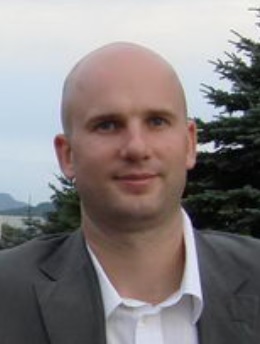
Professor Maksym Myronov.
Warwick University
Maksym Myronov is a scientist, researcher and inventor. He is an expert in epitaxial growth, materials characterisation and device technologies of group IV and III-V semiconductors. He has used to Group IV epitaxy to realise novel nanoscale materials for applications in electronic, photonic, thermoelectric, spintronic, photovoltaic, quantum, energy storage and sensor devices, and research new frontiers in Physics, Engineering and Materials Science.He has published over 400 papers, including over 150 in refereed international scientific journals, 4 book chapters, given over 150 talks at national and international conferences/workshops and filed around 10 patents.(INESS)
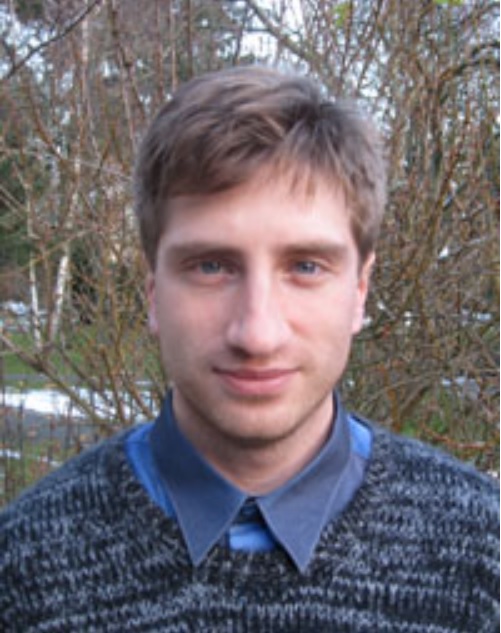
Dr.Sergey V. Levchenko
Skolkovo Institute of Science and Technology
“Artificial-intelligence assisted search for best energy-conversion materials“
Sergey V. Levchenko obtained M.Sc. from the Moscow Institute of Physics and Technology, and Ph.D.
from Univesity of Southern California, LA, USA, in 2005. After a postdoc period at the University of
Pennsylvania, PA, USA, he was a groups leader at the Fritz Haber Institute of Max Planck Society in Berlin,
Germany, and since 2018 he is an assistant professor at Skoltech, Moscow, Russia. Sergey Levchenko is an
expert in materials modelling using first-principles methods and artificial intelligence.

Dr. Mykhaylo Lototskyy
Federal Research Center for Chemical Physics and Medicinal Chemistry, Russian Academy of Sciences
HySA Systems Competence Centre, University of the Western Cape
“Metal hydride — carbon composites: advanced materials for hydrogen energy technologies“
Dr. Mykhaylo Lototskyy graduated from the Moscow State University in 1977 and received his PhD degree in 1992 from the Lviv State University. he joined Mechanical Engineering Institute, Kharkov, where he worked on metal hydrides. Dr. Lototskyy’s work on metal hydrides in co-authorship with the group from Moscow State University was awarded Lenin Comsomol Prize. Following postdoctoral position at the Institute for Energy Technology Norway, Dr. Lototskyy joined the University of the Western Cape where he is now a Senior Researcher at HySA Systems Competence Centre hosted by UWC. Dr. Lototskyy’s research interest focuses on metal hydrides and nanocomposites, thermodynamic and the kinetic performances of metal – hydrogen systems, gas-phase applications of metal hydrides including storage, compression and separation / purification of hydrogen. (mESC-IS)

Professor Dag Noréus,
Stockholm University
Dag Noréus is a professor in the Department of Materials and Environmental Chemistry at Stockholm University. He earned his PhD degree in reactor physics in 1982 at the Royal Institute of Technology, Stockholm, Sweden, and completed his postdoc at Daimler-Benz, Metal Hydride Laboratory, Stuttgart, Germany, in 1983. Noréus became a researcher in 1984 and a professor in 2000 in the Department of Structural Chemistry, Stockholm University. His research interests include x-ray diffraction, elastic and inelastic neutron scattering, and electrochemistry focusing on the understanding of metal-hydrogen interaction in metal hydrides and electrodes. http://www.h2fc-fair.com/hm14/exhibitors/nilar.html . (mESC-IS )

Dr. Arailym Nurpeissova
Nazarbayev University
Dr. Arailym Nurpeissova holds the position of senior researcher and head of laboratory at the National Laboratory Astana, Nazarbayev University. Her research interests include nanomaterials, energy storage systems, and lithium-ion batteries. Dr. Nurpeissova earned her master’s degree in nanotechnology from University College London, UK, and a Ph.D. in Energy and Technology from Chungnam National University, South Korea.
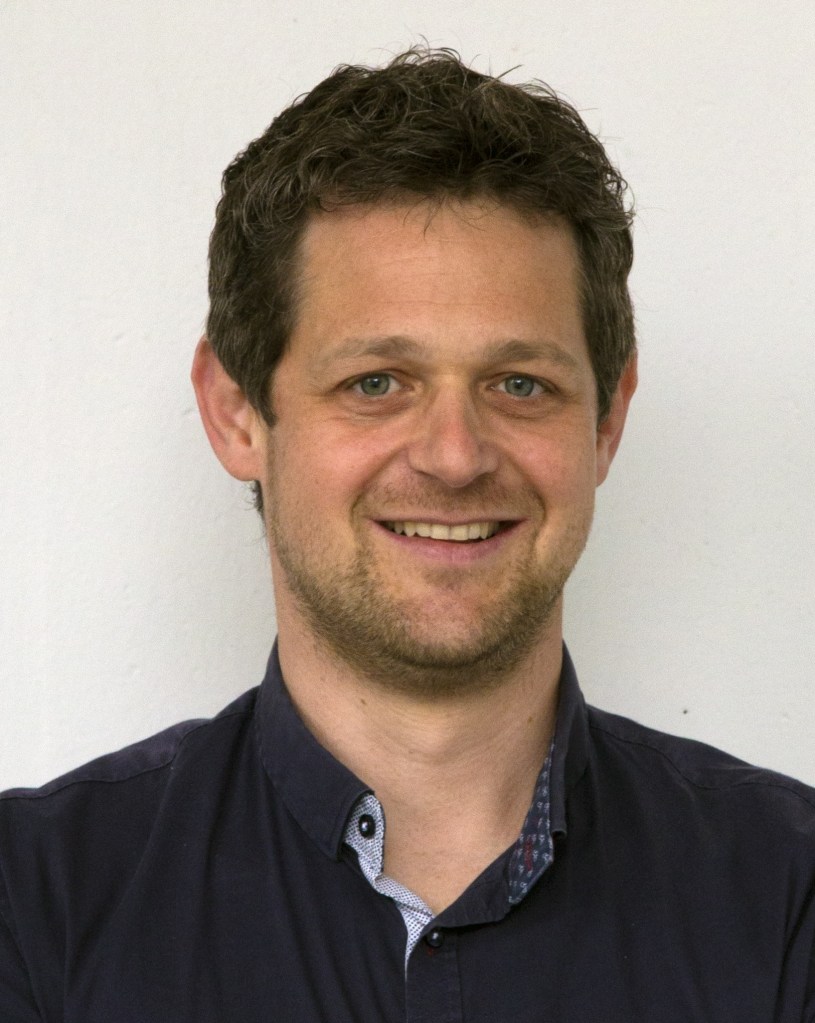
Professor Alexander Opitz
TU Wien
“Energy Conversion in Solid Oxide Cells: Gaining In-Depth Understanding through Model Experiments”
Alexander K. Opitz is the head of the research group Electrochemical Energy Conversion at TU Wien(Vienna, Austria). There he also received his PhD in 2011. He was a visiting scientist at MIT in 2017 and returned to a tenure track position at TU Wien, where he is now an Assistant Professor in the research division of Technical Electrochemistry. He is doing research in the fields of Solid State Ionics (electrode kinetics, current pathways, and electrochemically active zones of solid state electrochemical systems), heterogeneous catalysis (in-situ spectroscopic and analytic studies on the surface chemistry and catalytic activity of electrodes), and materials chemistry (synthesis and characterization of novel, alternative materials for solid oxide cells). (mESC-IS).

Professor Damla Eroğlu Pala
Boğaziçi University
“Ionic Liquid Screening for Li-S Batteries“
Dr. Eroğlu Pala, associate professor in the Department of Chemical Engineering at Bogazici University conducts both experimental and theoretical research on electrochemical systems. Her activity concentrates on lithium-sulfur batteries as well as on the application of machine learning in battery research. Before Bogazici University, she was a postdoctoral researcher in Chemical Sciences and Engineering Division at Argonne National Laboratory working with Dr. Kevin Gallagher between 2013 and 2015 as a part of the Joint Center for Energy Storage Research (JCESR). Her work there focused on techno-economic modeling and materials-to-system analysis of beyond lithium-ion batteries for transportation applications.Dr. Eroğlu Pala received her Ph.D. in Chemical Engineering from Columbia University in May 2013 under the supervision of Prof. Dr. Alan West where she worked on electrochemical characterization and modeling in complex electrochemical systems such as rechargeable batteries and metal/composite electrodeposition. Before her Ph.D., she earned her M.Sc. and B.Sc. degrees in Chemical Engineering from Middle East Technical University, Turkey, in 2008 and 2006, respectively.

Professor Bora Timurkutluk
Nigde Omer Halisdemir University
“Development of bolt-microtubular solid oxide fuel cells“
Bora Timurkutluk is a professor in Mechanical Engineering Department at Nigde Omer Halisdemir University. He received BSc (2004) and MSc (2007) degrees from Mechanical Engineering Department at Middle East Technical University. He then joined to research group in Nigde Omer Halisdemir University and completed his PhD studies there (2013). During this period, he also worked as a senior R&D engineer for Vestel Defense Industry. Professor Timurkutluk has over 15 years experiences in hydrogen and fuel cell technologies. His main research interest is solid oxide fuel cells and is specifically doing research on microtubular solid oxide fuel cells, alternative fabrication techniques and microstructural engineering of electrodes besides the studies on design, modeling, fabrication, test and characterization at cell, stack and system levels. He is currently director of Nigde Omer Halisdemir University Prof. Dr. T. Nejat Veziroglu Clean Energy Research Center and head of Mechanical Engineering Department. He has also provided academic consultancy to some private companies on fuel cells for more than 10 years

Professor Cengiz Ozkan
University of California, Riverside
“Prospects in battery energy storage over the next decade“
Prof. Cengiz Ozkan is a faculty member in the Department of Mechanical Engineering at the University of California, Riverside. He received his Ph.D. Degree in Materials Science and Engineering at Stanford University in 1997. Research in the Ozkan group involves the design and synthesis of nanoscale materials for energy storage, nanoelectronics and sensors applications; fundamental understanding and characterization of electrical and optical properties of nanoscale materials; and nanoscale structure–property relationships. Dr. Ozkan made pioneering contributions to manufacturing of sustainable high-performance materials for Li-ion batteries and supercapacitors for electric vehicles, smart grids, and mobile electronics; 2D materials for low-power electronics, and sustainable materials for mitigating environmental pollution. Dr. Ozkan has been a member of several prestigious National Centers including the SRC MARCO Center for Functional Engineered Nano Architectonics at UCLA; and the SRC STARnet Center for Spintronic Materials, Interfaces and Novel Architectures at UMN. Dr. Ozkan has over 750 technical publications including journal papers, conference proceedings, conference abstracts, and book chapters; 13 Edited Books; 47 US and foreign patents; has given nearly 170 invited lectures and presentations worldwide; and he is serving as an Associate Editor for Energy Storage, Wiley. Dr. Ozkan is a Member of the National Academy of Inventors, a Fellow of the Materials Research Society, and he received a number of awards including the William Johnson International Founders Award, the John J. Guarrera Engineering Educator of the Year Award, and the TUBITAK Presidential Scientific Achievement Award. Dr. Ozkan co-organized and chaired over 40 scholarly conferences worldwide, and he had been elected a Meeting Chair for the Fall 2021 MRS Meeting in Boston, MA.. (mESC-IS)

Professor Mihri Ozkan
University of California, Riverside
“Current status and pillars of direct air capture technologies“
Mihri Ozkan is a professor of the Electrical and Computer Engineering Department at UCR. Professor Ozkan is a Fellow of National Academy of Inventors and Frontier National Academy of Engineering, and an Alumna of Keck National Academy of Science. She is the Climate Action Champion and Change Maker Professor of the University of California. She completed her graduate studies at Stanford University and at UC-San Diego. Her research is sparked with her commitment in climate control and environmental improvement. Professor Ozkan has ’ 27 granted and 15 active patents in the area of advanced Li-ion battery technologies for smart grid, electric vehicle and portable electronics applications. she has been selected as the most remarkable women of UCR by the UC Regents. Her creative research and innovative approaches for the advanced Li-ion battery technologies have brought her nearly 56 scientific national and international honors/awards including the Medal of Engineering Science, Humanitarian Star, Emerging Scholar, Great Inventor, Young Investigator, Achievement in Technical Ingenuity. Her Google scholar citations is nearly 10841, h-Index 54 and i10-Index 138.(mESC-IS)

Professor Burak Ulgut,
Bilkent University
“Impedance and noise as non-invasive methods for lithium metal anodes”
Dr.Burak Ülgüt got his PhD in Electrochemistry from Cornell University in 2007. He was a postdoc at the Optoelectronics group in the same university for a year. He then spent 6 years in Gamry Instruments developing various instrumental tools about Electrochemical Impedance Spectroscopy and Spectroelectrochemistry. In 2014 he returned to Turkey to spend a year at Inci Aku as an R&D executive. In the fall of 2015 he joined the Chemistry department of Bilkent University where he is leading a research group working on developing new electrochemical measurement and modeling methodologies mostly geared towards a better understanding of energy storage and conversion systems.(mESC-IS)
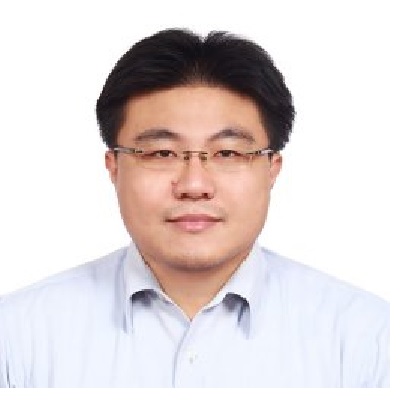
Professor Fu Ming Wang
National Taiwan University of Science and Technology
Fu-Ming Wang was born in Taipei, Taiwan. He received the B.S. and M.S. chemical engineering degree from National Taipei University of Technology (NTUT) and National Taiwan University of Science and Technology (NTUST). He received his Ph. D. degree in electrochemical engineering and lithium battery technology from National Tsing Hua University (NTHU) at 2009. From 2004~2010, he is working as a researcher at the energy storage division in Industrial Technology Research Institute (ITRI) and develops polymer electrolytes, functional additives, formation process design, reversible engineering and ionic transfer mechanism investigations. From 2010~2017, he services as a Professor at NTUST and focuses on the researches of lithium ion battery and biosensor.(INESS)
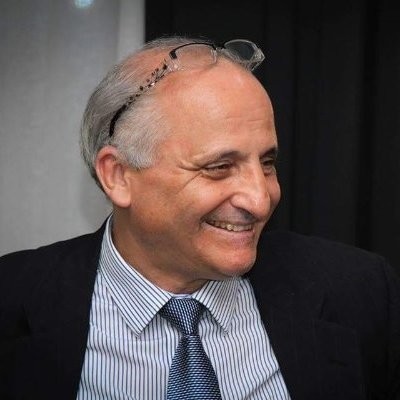
Professor Rachid Yazamı
Nanyang Technological University
“The NLV: A new ultra-fast charging technology for lithium ion batteries” (online)
Rachid Yazami from the city of Fez is the inventor involved in more than 140 patents related to battery technology, including nano-Si and nano-Ge based anodes for ultra-high rate charge lithium batteries, the lithium-carbon fluoride battery for space and medical applications and more recently on liquid anodes. Today, he is the Principal Scientist and Energy Storage Program Director at the Energy Research Institute at Nanyang, within the Nanyang Technological University. He has also served as Cheng Tsang Man Chair Professor in Energy at the School of Materials Science and Engineering and as Principal Investigator of the TUM‐Create Centre of Electromobility in Singapore. Yazami has earned many prizes throughout his career. He is the recipient of the 2014 Draper Prize of the National Academy of Engineering, the equivalent of a Nobel for engineers, which recognizes his pioneer’s work in the development of the graphite anode used in billions of lithium-ion battery cells that are being produced today. Professor Rachid Yazami who is on leave from the French National Centre for Scientific Research (CNRS) where he holds a Research Director position, served as Visiting Associate at the California Institute of Technology and conducted research on battery electrode materials in collaboration with NASA’ Jet Propulsion laboratory, prior to joining NTU. In 2007, he was the key founder and president of a Californian company that manufactured fluoride based primary and rechargeable batteries. In 2011, he founded the Singaporean company KVI PTE LTD dedicated to battery state of health, safety, and fast charging technologies. Prof. Yazami has co-authored over 200 scientific papers and is the inventor of 125 patents worldwide. In 2014, he was decorated by the King of Morocco, who nominated him as Member of the Moroccan Royal Hassan II Academy of Science and Technology. He was elevated to the rank of Chevalier de la Legion d’Honneur in France, in 2016.(INESS)
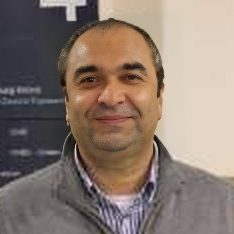
Professor Ramazan Yıldırım
Boğaziçi University
“Photocatalytic CO2 reduction“
Ramazan Yıldırım is a professor of Chemical Engineering at Boğaziçi University. He got his B. Sc from Ege University and his MS is from Boğaziçi University. He then moved to University of California, Los Angeles where he received his Ph.D. in 1993. He then worked as quality consultant in private sector for a short time and he was management consultant and trainer in his own company in 1994-2000. He is a full time professor in Boğaziçi University Chemical Engineering Department since 2001. His research focuses on catalysis and photocatalysis, machine learning analysis of energy conversion technologies (e.g. catalytic hydrogen production and purification, water splitting, photocatalytic CO2 reduction, biofuel production and solar cells) as well as machine learning applications in energy storage systems.
 mesc-is.org