
Lecturers
-Burak Aktekin
–Kadri Aydınol
-Aligül Büyükaksoy
-Rezan Demir-Cakan
–Selmiye Alkan Gürsel
-Yunus Eren Kalay
–Sarp Kaya
–Dag Noreus
-Saim Özkar
-Cigdem Toparlı
-Ramazan Yıldırım
–Mohammed Ahmed Zabara
.
.

Dr. Burak Aktekin
Justus Liebig University Giessen
XPS in Battery Research
A thorough surface characterization of battery electrodes, electrolytes and interfaces is essential for the development of advanced materials that enable better cell performance. Understanding the degradation products formed at the electrode/electrolyte interface during battery operation is equally important to determine and address the factors that limit their performance. For this purpose, X-ray Photoelectron Spectroscopy (XPS) is an essential analytical tool in battery research as it provides detailed chemical information on compounds forming at the battery interfaces (e.g., type of compounds, oxidation states of elements, elemental composition, etc.) which are highly critical for understanding battery degradation mechanisms. The lecture in this summer school will start with a short overview of XPS principles –covering topics such as generation of X-rays, photoelectric effect, interaction of electrons with matter, binding energy, surface charging, hemispherical electron analysers, etc. Later, the participants will be introduced to experimental workflows in post mortem, in situ and operando XPS studies through practical examples from the literature. The case studies will consist of experiments performed using conventional laboratory based instruments as well as at synchrotron facilities (e.g., HAXPES). Participants will also be introduced to mistakes commonly done during sample preparation and XPS data analysis, such as incorrect peak assignments and fitting, improper energy calibration, overlooking beam or sputter damages. Hands-on session in the afternoon will guide participants through installing XPS analysis software and analyzing an exemplary dataset step-by-step.
Burak Aktekin received his BSc (2010) and MSc (2013) in Metallurgical and Materials Engineering Department in Middle East Technical University. He then joined Uppsala University for his doctoral studies where he worked on the high voltage spinel type positive electrodes for LiBs. Having obtained his PhD in late 2019 and following a brief postdoctoral period at Uppsala University, Dr. Aktekin joined J. Janek’s research group at the Institute of Physical Chemistry, Justus Liebig University Giessen. His current research activities focus on understanding interfacial side reactions in all-solid-state batteries using electrochemical methods as well as a range of analytical tools available in house or in synchrotron facilities.
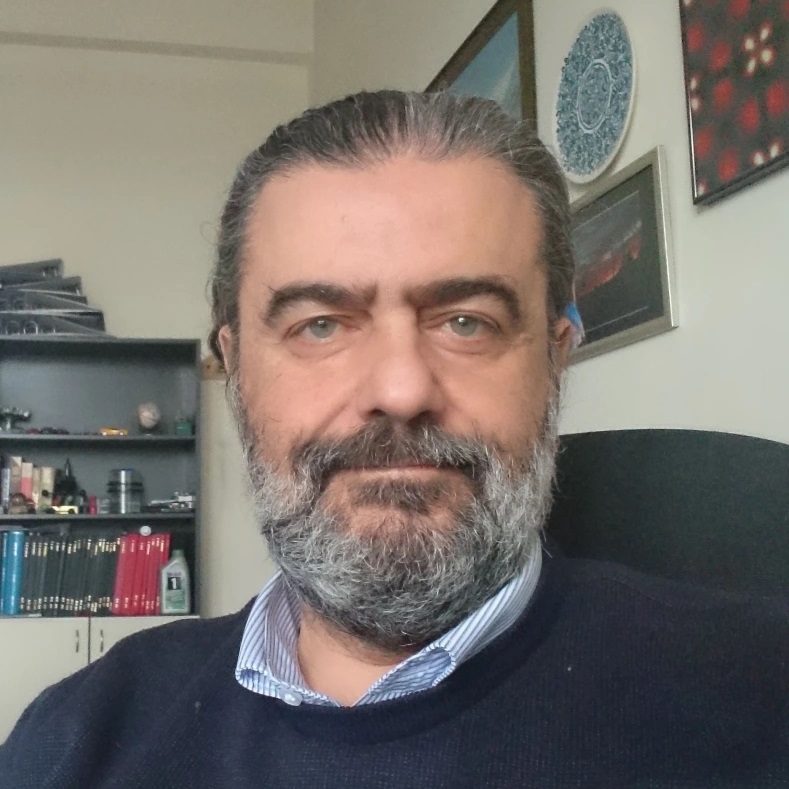
Professor Kadri Aydınol
Middle East Technical University
Advances in Li-ion batteries
Cell types and components; active materials, additives, binders, electrolytes, separators, current collectors and battery casing. Current status in Li-ion battery technology. Challenges to develop advanced materials enabling higher energy and power density, increased capacity and operating voltage, higher electrochemical and thermal stability, fast chargeability, higher cycleability and improved safety. Battery processing and equipment; slurry mixing, coating, calendering, electrode cutting, winding/stacking, electrolyte filling and cell closing. Critically important process parameters. Electrochemical characterization and equipment; discharge capacity determination, charge-discharge cycle, cyclic voltammetry and electrochemical impedance spectroscopy.
Kadri Aydınol is a professor in the Department of Metallurgical and Materials Engineering, Middle East Technical University (METU). He received his PhD in Metallurgical Engineering in 1994 at METU. He then joined Massachusetts Institute of Technology, USA, as a post-doc, working in the field of Li-ion battery research. Having returned to METU in 1998, he has led a research group with accumulated experience on processing, structural and electrochemical characterization of active materials used in lead-acid, nickel-metal hydride, lithium-ion, silver-zinc, zinc-air batteries, together with an experience in industrial cell making processes.
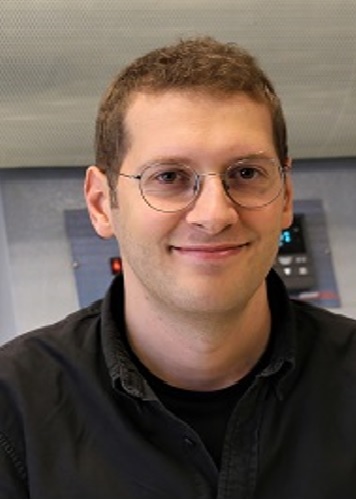
Professor Aligül Büyükaksoy
Gebze Technical University
Advances in Solid Oxide Fuel Cells
To avoid the catastrophic outcomes of global warming, CO2 emissions from energy conversion must be drastically reduced soon. While renewable energy conversion technologies, such as; solar and wind, appear straightforward directions to take, their intermittency remains as the main challenge. Solid oxide cells (SOCs) can both generate electricity and steam from hydrogen (fuel cell mode) and oxygen or produce hydrogen and oxygen from electricity and steam (electrolysis mode) at efficiencies exceeding 80%. Thus, they are primary candidates that can provide clean energy conversion and storage, once they are integrated to renewables to mitigate their intermittency issues. The main focus of this course will be, how solid oxide cells operate, how they are fabricated and how they are tested. Design and materials selection practices will be introduced and the challenges in the face of SOC development will be discussed. Topic to be covered are as follows: -Energy issue and why do we need solid oxide cells?- Operating principles of solid oxide cells,- Materials used in solid oxide cell components,-Solid oxide cell designs,-Techniques used to fabricate solid oxide cells,-Solid oxide cell testing and characterization,-Challenges and outlook in solid oxide cell development
Aligul Buyukaksoy Aligül Büyükaksoy obtained his BS and MSc degrees in Materials Science and Engineering from Gebze Technical University (then, Gebze Institute of Technology) in 2007 and 2009, respectively. He completed his PhD work in 2013, at Missouri University of Science and Technology in the same field. Through Eyes High and Calgary Innovates – Technology Futures fellowships, he then worked under the supervision of Prof. Viola Birss at the University of Calgary for two years. In 2016, he joined the Materials Science and Engineering department, at Gebze Technical University as an assistant professor and got promoted to associate professor position in 2021. His research interests include solid oxide cells, defect chemistry, solid state electrochemistry, electroceramics and ceramic fabrication techniques.
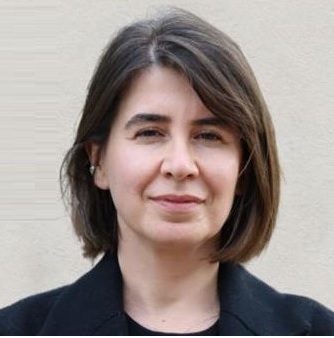
Professor Rezan Demir-Cakan
Gebze Technical University
Advances in Na-ion Batteries
This course will provide an in-depth exploration of sodium-ion batteries (NIBs), a promising alternative to lithium-ion systems for cost-effective and sustainable energy storage. The course will begin by introducing the fundamental principles of NIBs, including cell chemistry, working mechanisms, material choices, and performance metrics. Key differences between lithium-ion and sodium-ion technologies will be discussed to highlight application-specific advantages and limitations. The course will then trace the development of NIBs across Technology Readiness Levels (TRLs), highlighting the path from material discovery and lab-scale synthesis to real-world applications. Emphasis will be placed on electrochemical testing, electrode/electrolyte optimization, cell prototyping, and scale-up processes. Finally, the course will address regulatory and commercialization pathways, offering participants a holistic view of advancing SIB technology from research to market.
Rezan Demir-Cakan received her Ph.D. degree in 2009 from the Max Planck Institute of Colloids and Interfaces. Between 2009 and 2012, she conducted postdoctoral research in the group of Prof. Jean-Marie Tarascon, where she focused on rechargeable lithium batteries, particularly lithium–sulfur systems. She is currently a Professor in the Department of Chemica Engineering at Gebze Technical University. Her research activities center on the design and synthesis of nanostructured energy materials for advanced battery systems, with particular emphasis on sodium-ion, lithium–sulfur, and aqueous electrolyte zinc-ion batteries. Rezan Demir-Cakan has been the recipient of several prestigious awards, including the French Embassy Research Fellowship (2018, 2023), the Turkish Academy of Sciences Outstanding Young Scientist Award (TÜBA-GEBİP, 2018), the L’Oréal–UNESCO “For Women in Science” Award (2016), the Science Academy’s Young Scientist Award (BAGEP, 2015), the IMLB Young Researcher Award (2012), and the Japan Carbon Award (2008). Since 2014, she has served as an expert evaluator for energy-related calls within EU-funded programs (H2020, Horizon Europe), and she currently coordinates the EU-funded project TwinBat.
.
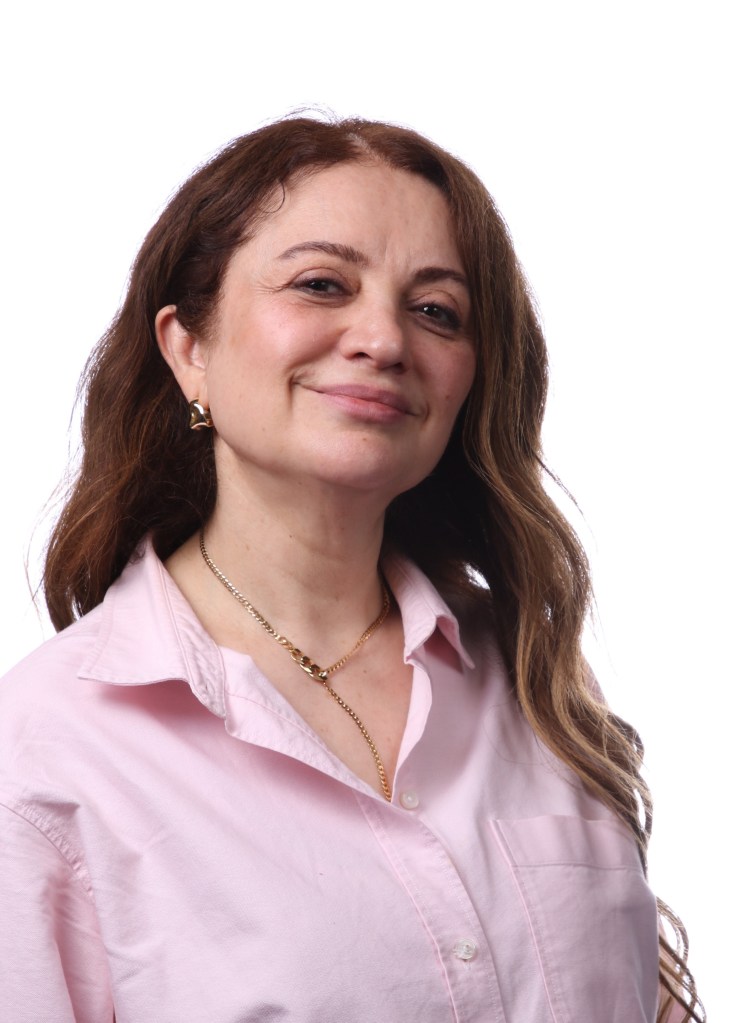
Prof. Selmiye Alkan Gürsel
Sabancı University
Advances in PEM Fuel Cells and Electrolyzers
Introduction to Fuel Cells and Electrolyzers; –Fundamentals of electrochemical energy conversion- Overview & Working principles of Fuel Cells and Electrolyzers-Classification of Fuel Cells and Electrolyzers– Key applications. PEM Fuel Cells and Electrolyzers; -Electrochemical Reactions & Thermodynamics ,Kinetics of hydrogen oxidation and oxygen reduction reactions, Performance & durability. Components of PEM Fuel Cells and Electrolyzers;-Components and fabrication techniques,–Proton exchange membranes: Nafion and alternatives, Catalyst layers: Pt-based and non-Pt catalysts, Catalysts for oxygen evolution reaction (OER) and hydrogen evolution reaction (HER). Advances & Challenges & Perspectives; –Challenges for PEM Fuel Cells and Electrolyzers,–Emerging trends and innovations in PEM technology,-Future directions and research opportunities
Selmiye Alkan Gürsel received BSc, MSc and PhD degrees from the Middle East Technical University Department of Chemistry and, as part of her doctoral studies, she carried out research on electrochromic polymers at the University of Florida (USA). She conducted post-doctoral studies on fuel cells in the General Energy Department of Paul Scherrer Institute. She has been working as a faculty member in the Materials Science and Nano Engineering Program at Sabanci University since 2008. She is directing and participating various international and national projects on fuel cells, polymer membranes, graphene, lithium-ion batteries, lithium -air batteries, electrolyzers. She participated in Graphene Flagship Project, in FP7 (Graphene-Driven Revolutions in ICT and Beyond) and Horizon 2020 (Graphene- Based Disruptive Technologies) phases as the primary investigator, scientific representative of the work package on fuel cells and national contact point from Turkey. She was awarded by L’Oreal Young Woman in Science Scholarship 2010, METU Prof. Dr. Mustafa N. PARLAR Research Incentive Award 2012, Science Academy -Young Academics Prize Scholarships (BAGEP) 2013. She received “Academic Prize” in the inaugural Women Energizing Turkey Awards endowed by the Turkish Ministry of Energy and Natural Resources in 2018. She is currently Vice-Dean of Research at Sabanci University Faculty of Engineering & Natural Sciences.
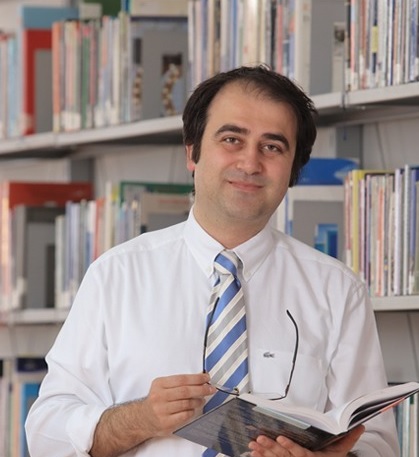
Prof. Y Eren Kalay
Middle East Technical University
Advanced Imaging Techniques in Materials Research
This short course will explore advanced imaging techniques in materials research, focusing on Scanning Electron Microscopy (SEM), Atom Probe Tomography (APT), and Transmission Electron Microscopy (TEM). SEM provides high-resolution surface imaging and elemental mapping, while APT enables three-dimensional atomic-scale composition analysis. TEM, with its various modes, offers unparalleled insights into material structures. Scanning/Transmission Electron Microscopy (S/TEM) allows atomic-resolution imaging with analytical capabilities like Electron Energy Loss Spectroscopy (EELS). In-situ TEM experiments enable real-time observation of dynamic processes under external stimuli, while 4D S/TEM captures spatial and diffraction data for strain and phase mapping. Additionally, Fluctuation Electron Microscopy (FEM) probes medium-range order in disordered materials by analyzing diffraction intensity variations. These techniques are critical for understanding and optimizing materials for energy storage and conversion applications.
Rietveld Analysis -Xray Data (Hands-on Session)
This course will include a hands-on session on Rietveld Refinement, a crucial method for analyzing crystal structures using X-ray and neutron diffraction data. Participants will learn how to refine diffraction patterns to extract precise information on lattice parameters, atomic positions, phase fractions, crystallite size, and microstrain. The session will cover essential concepts such as profile fitting, background modeling, preferred orientation correction, and evaluating the quality of refinements. Through practical exercises with real datasets and refinement software, attendees will develop the skills needed to apply Rietveld analysis in materials research, particularly for studying and optimizing materials used in energy storage and conversion.
Yunus Eren Kalay received his B.Sc(2001) and M.Sc.(2003) degrees in Metallurgical and Materials Engineering from the Middle East Technical University. He obtained his PhD in Iowa State University in 2009. He was a post-doc for 2 years in Ames laboratory before he joined METU where he is a professor at the Materials Engineering Dept. Professor Kalay’s research centers on amorphous alloys, namely on the evolvement and the control of amorphous structure during solidification. Prof Kalay has an in-depth expertise on material characterization techniques. This includes advanced electron microscopy techniques which he applied to a wide spectrum of material problems ranging from electronic packaging, rare earth-free magnets and single crystal enhancement. His expertise also includes in-situ experiments involving synchrotron radiation. He actively promotes the use of synchrotron radiation and in-situ experiments for material research. Prof Kalay is the editor of MATTER, a journal dedicated to publishing undergraduate research. He is also an active promoter of science in pre-university education.
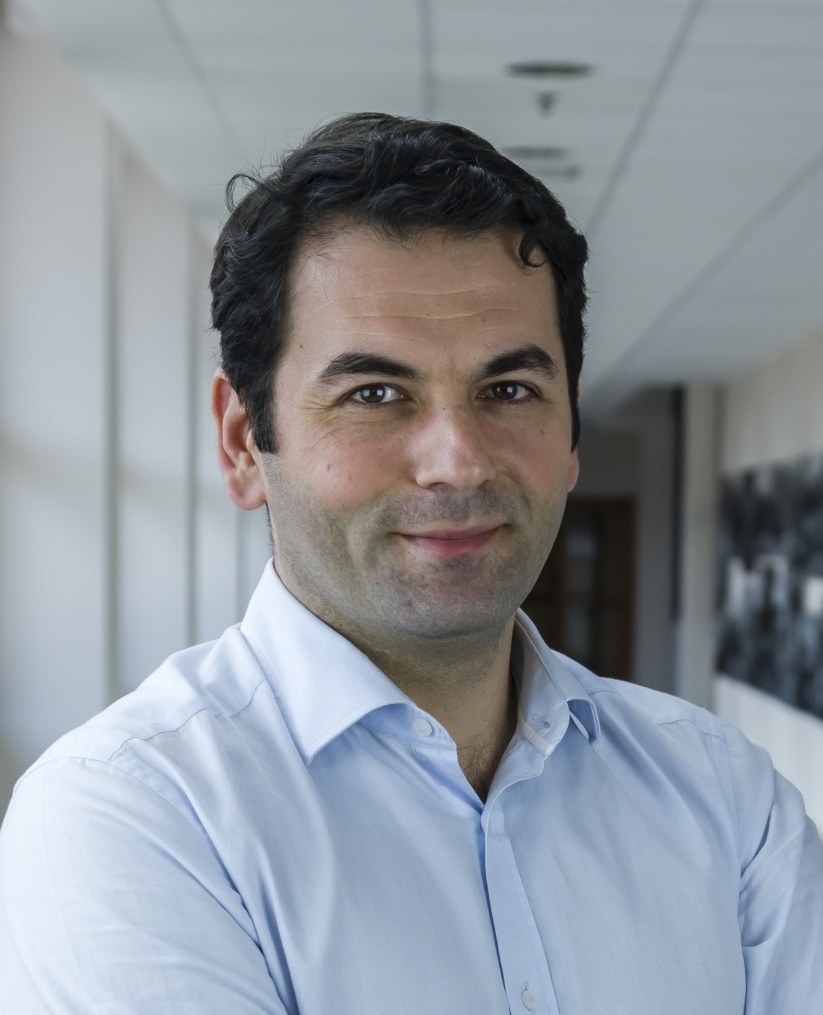
Professor Sarp Kaya
Koç University
Electrocatalysis
The pursuit of sustainability has driven significant research into electrochemical reactions that can transform energy and material systems. Among these, the Hydrogen Evolution Reaction (HER), Oxygen Evolution Reaction (OER), Oxygen Reduction Reaction (ORR), Carbon Dioxide Reduction Reaction (CO2RR), and Nitrogen Reduction Reaction (N2RR) play pivotal roles in addressing global challenges related to energy conversion and storage. In this lecture, we will explore the current state of research in these key electrochemical reactions and the challenges that must be overcome to integrate these technologies into global energy and material systems. We will highlight recent advancements in catalyst design, reaction mechanisms, and system integration, offering insights into the future of sustainable energy and material production.
Sarp Kaya received his PhD in Physical Chemistry in 2007 after completing his studies on ultrathin metal oxide layers at Fritz Haber Institute of the Max Plank Society and Humboldt University. During his post-doctoral studies at Stanford University (2007-2010) and following research activities as a scientist at SLAC National Accelerator Laboratory (2010-2014) and Joint Center of Artificial Photosynthesis (JCAP) (2011-2014) he heavily utilized synchrotron radiation for investigations on gas-solid and liquid-solid interfaces. He joined the Department of Chemistry, Koç University in 2013. He has also been co-director of Koç University Tüpraş Energy Center (KUTEM) since 2019 and the director of Koç University Hydrogen Technologies Center (KUHyTech) established in early 2024.

Professor Dag Noreus
Stockholm University
Aqueous Batteries
The aim of the lectures is to expand the knowledge in energy conversion and storage systems using battery technologies, capacitors and fuel cells. Energy systems for sustainable use are important in the paradigm shift from carbon-based fuels to renewable power sources by electrochemical energy converters. This will allow the participant to reach an understanding of material properties coupled with their application in electrochemical powers systems. The lectures will include basic concepts and definitions, history of batteries, capacitors and fuel cells, and the related thermodynamics and kinetics. Cell concepts, batteries, capacitors and fuel cell design applied in modern energy storage systems. This will give an overview of the different types of batteries, capacitors and fuel cell systems, with related electrode reactions based on:Basic static definitions: ∆G, ∆S, electrochemical cell, anode, cathode, Nernst equation.Nickel based chemistries with aqueous electrolytes, NiMH, NiCd, NiFe in relation to non-aqueous Li-based batteries, LCO, LMO, LFP, NMC, NCA. Energy conversion and storage systems for vehicles and systems connecting renewables to the grid.
Learning outcomes:
after the lecture, the participants should have an understanding of:
-Basic governing equations for batteries, capacitors and fuel cells
-Fundamental understanding of electrode reactions and different materials in use
-How to design and evaluate electrochemical characterization experiments
-Present global status of batteries, capacitors and fuel cells as power sources
-Being able to compare different battery chemistries
Dag Noréus is a professor in the Department of Materials and Environmental Chemistry at Stockholm University. He earned his PhD degree in reactor physics in 1982 at the Royal Institute of Technology, Stockholm, Sweden, and completed his postdoc at Daimler-Benz, Metal Hydride Laboratory, Stuttgart, Germany, in 1983. Noréus became a researcher in 1984 and a professor in 2000 in the Department of Structural Chemistry, Stockholm University. His research interests include x-ray diffraction, elastic and inelastic neutron scattering, and electrochemistry focusing on the understanding of metal-hydrogen interaction in metal hydrides and electrodes. http://www.h2fc-fair.com/hm14/exhibitors/nilar.html
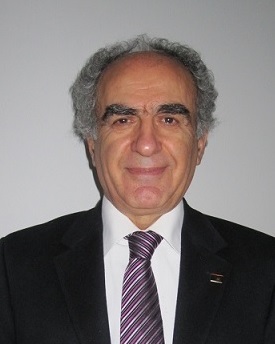
Professor Saim Özkar
Middle East Technical University
Catalysis: A general overview
Importance of catalysis in science and industry; why do we need the catalysts? Understanding how the catalysis works; basic concepts, terms and definitions in catalysis; classification of catalysis; understanding the mechanism of catalysis; using transition metal nanoparticles as catalyst; problems with the transition metal nanoparticles; supported transition metal nanoparticles; confinement of transition metal nanoclusters in porous materials; reusability problem in nanocatalysts; metal-ligand interaction versus metal-metal bond; metal-ligand interactions; understanding the importance of metal-ligand interaction in catalysis; key reactions in catalysis; catalytic cycles for selected reactions; reaction types encountered in catalytic cycles; some industrially important homogeneous and heterogeneous catalytic reactions..
Saim Özkar has completed his undergraduate study in chemical engineering at the Technical University of Istanbul in 1972, and then worked for two years in industry. He received his Ph.D. in inorganic chemistry at the Technical University of Munich, Germany in 1976 before joining the Department of Chemistry, Middle East Technical University as an Assistant Professor in 1979, where he is now a Full Professor. He spent one year at the Max Planck Institute in Mülheim as Alexander von Humboldt-Foundation Scholar in 1986, 2 years at University of Toronto as visiting professor in 1988-1990, and 9 months at Colorado State University as Fulbright Fellow in 2000. His current research interests involve the transition metal nanoparticles; synthesis, characterisation, and catalytic applications in hydrogen generation, hydrogenation, oxidation, and coupling reactions.Saim Özkar was awarded the TÜBİTAK 1996 Science Prize and has been a member of Turkish Academy of Sciences since 1996.
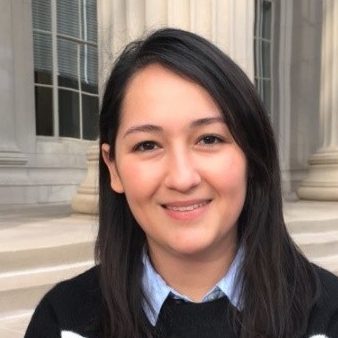
Dr. Cigdem Toparli
Middle East Technical University
Infrared & Raman Spectroscopy in Materials Reseach
Infrared and Raman spectroscopy have become indispensable tools in catalysis and battery research, particularly when applied in in-situ and operando configurations. These techniques enable real-time monitoring of structural, chemical, and electronic changes under actual working conditions, providing deep insights into reaction mechanisms, intermediate species, and material transformations. This presentation will highlight the principles and capabilities of in situ and operando infrared and Raman spectroscopy, with a focus on their application in understanding heterogeneous catalysis and electrochemical processes in batteries. Selected case studies, including photocatalytic water splitting, CO₂ reduction, and electrode material characterization during charge/discharge cycles, will illustrate how these spectroscopic techniques contribute to the rational design and optimization of functional materials for sustainable energy technologies.’
Dr. Toparli is an assitant professor in the Department of Metallurgical and Materials Engineering, Middle East Technical University. She received her B.Sc (2011) from Istanbul Technical University and Ph.D(2017) from Max Planck Institute for Iron Research where she worked on in-situ and operando observation of passive film formation on Cu and its breakdown through oxygen evolution reaction (OER). she then moved to US and joined Professors Bilge Yildizs’ and Michael Shorts’ group at Massachusetts Institute of Technology (MIT) as a postdoctoral associate. Her work at MIT focused on the development of hydrogen and crud resistant coatings for nuclear applications. Dr Toparlı is currently leading a research group at METU with activities focusing on the use multicomponent oxide systems for batteries and electrolysers.

Professor Ramazan Yıldırım
Bogazici University
Machine Learning for Catalysis Research
Machine learning applications in catalysis have increased significantly in recent years. Fast growing accumulation of accessible research data in databases and published papers coincided with astonishing developments in data storage, retrieval and processing technologies. This made the machine learning one of the most valuable tool to extract knowledge from past experiences to be used for material developments. Predictive models, decision rules and heuristics developed in this way can be used to improve the effectiveness of catalysis research, which is usually based on long, tedious and expensive trials due to the presence of large number of interacting variables. In addition to customary functions like clustering, classification, prediction and association, recently popularized generative AI tools can also perform human-like inferences function revolutionizing the machine learning/artificial intelligence and their applications in scientific research. In this presentation, the basic principles, functions, algorithms and recent developments in machine learning (such as physics informed machine learning, transfer learning and large language models) will be summarized, and then implementation of these algorithms in catalysis research will be discussed with some representative examples, especially materials and energy related applications.
Ramazan Yıldırım Ramazan Yıldırım is a professor of Chemical Engineering at Boğaziçi University. He received his B.Sc from Ege University and his MS is from Boğaziçi University. Then, he moved to University of California, Los Angeles where he received his Ph.D. After his Ph.D., he had worked as quality and management consultant for about five years before he joined Boğaziçi University Chemical Engineering Department in 2001 as a full time professor. His research focuses on catalysis and photocatalysis, machine learning analysis of energy conversion technologies (e.g. catalytic hydrogen production and purification, water splitting, photocatalytic CO2 reduction, biofuel production and solar cells) and energy storage systems.
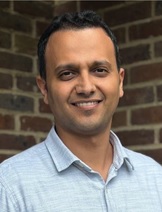
Dr. Mohammed Ahmed Zabara
University of Cambridge
Electrochemical Impedance Spectroscopy for Battery Research
Electrochemical Impedance Spectroscopy (EIS) has emerged as a vital analytical tool for investigating the electrochemical processes governing energy storage and conversion systems. Its ability to provide detailed insights into impedance values and the timescales of electrochemical phenomena makes it powerful for researchers and engineers working in this field. This workshop will offer a comprehensive introduction to the fundamental principles of EIS, including its theoretical foundations and the key information it can reveal about electrochemical systems. Participants will gain practical knowledge on conducting accurate EIS measurements, ensuring data reliability, and identifying potential sources of error. Additionally, the session will cover methods of impedance data analysis and interpretation, demonstrating their application across various energy storage technologies, including batteries, fuel cells, supercapacitors, and flow batteries
Mohammed Ahmed Zabara is a Research Associate in the Department of Chemistry at the University of Cambridge. He earned his BSc and MSc degrees from the Middle East Technical University and holds a PhD in electrochemistry from Bilkent University, where he specialized in applying Electrochemical Impedance Spectroscopy to study energy storage systems. Following his doctorate, he conducted research at Sabanci University, investigating the electrochemistry of metal oxides for energy storage applications. His current work focuses on elucidating electrochemical mechanisms in emerging battery chemistries by integrating electrochemical impedance with in situ characterization techniques.
 mesc-is.org